Grammar guides, frequency dictionaries, graded readers, and native literature — organised by stage so you know exactly what to pick up next.
11
Books ranked across all levels
Quick answer
Best beginner book: Madrigal's Magic Key to Spanish. Best vocabulary reference: Frequency Dictionary of Spanish (Mark Davies). First reader: Pobre Ana. First native novel at B2: El alquimista. The most effective stack is a grammar book + frequency dictionary + Anki for spaced repetition review.
Apps are useful. But books do something apps can't: they give you depth. A good grammar book lets you annotate, revisit, and build a mental model of how Spanish works. A frequency dictionary gives you the definitive list of what to learn next. A graded reader gives you the experience of reading real Spanish without the dictionary-every-other-word frustration.
Here are the best books at each stage of learning, organised by what they're actually for.
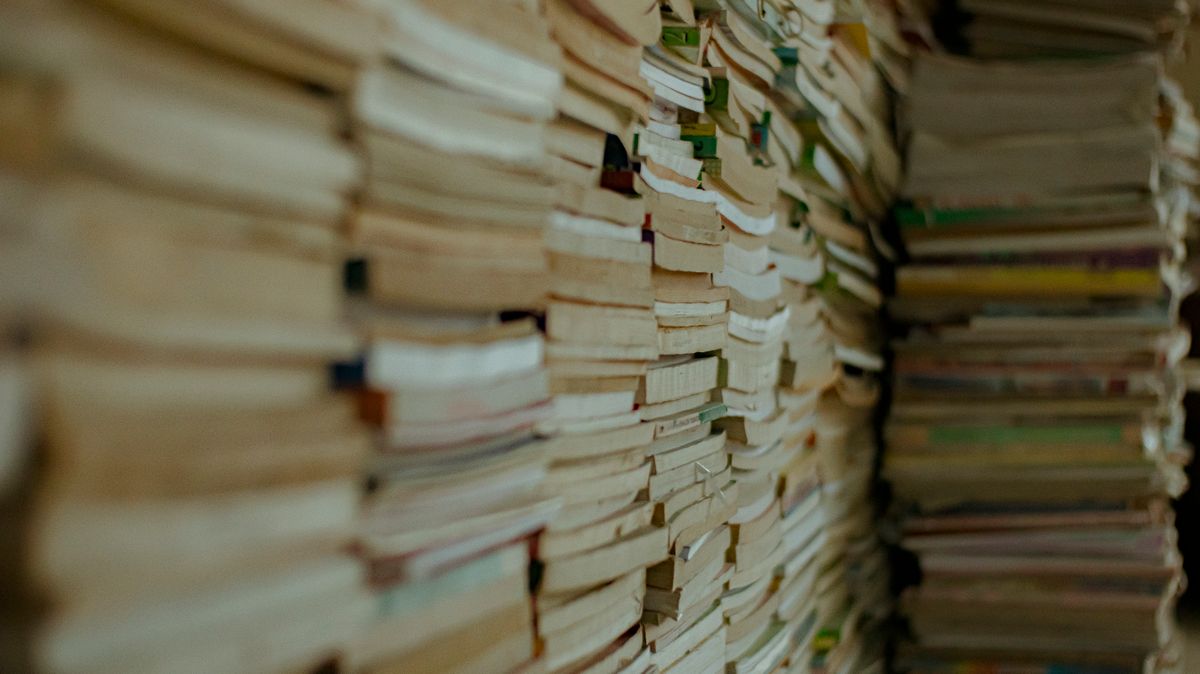
The right book at the right stage produces fundamentally different results than an app can.Photo: josemiguel67bio jose miguel / Pexels
For beginners: grammar & courses
Madrigal's Magic Key to Spanish
by Margarita Madrigal
The most beloved Spanish self-study book in print. Starts by showing you the thousands of English words you already know in Spanish (the cognates), then builds systematically from there. Non-intimidating, logical, and genuinely clever.
Easy Spanish Step-By-Step
by Barbara Bregstein
A comprehensive grammar guide written in plain, casual language. Covers all the core structures without the textbook formality. Pairs well with a vocabulary resource since it focuses on grammar rather than word lists.
Practice Makes Perfect: Complete Spanish Grammar
by Gilda Nissenberg
A 350-page workbook covering every major Spanish grammar rule with exercises, examples, and free online audio. Best used as a reference alongside an active study method rather than read cover-to-cover.
Vocabulary: frequency-based
Frequency Dictionary of Spanish
by Mark Davies
The gold standard for frequency-based vocabulary learning. 5,000 most common Spanish words with example sentences, part of speech, and frequency rank. If you're going to own one vocabulary reference, this is it.
Spanish Vocabulary: A Complete Introduction
by Juan Kattán-Ibarra
Not purely frequency-based, but organized thematically with very high-frequency vocabulary prioritised within each theme. Good complement to a frequency dictionary for learners who prefer some topical grouping.
Graded readers (A1–B2)
Pobre Ana
by Blaine Ray
The classic first Spanish reader for beginners. Short, simple, uses only the most common vocabulary. Designed for complete beginners to read real Spanish sentences — not exercises.
Cuentos Culturales (TPRS Books)
by Various
Graded reader series covering A1–B2. Each book uses a controlled vocabulary so the content is genuinely comprehensible at the stated level. Better than most textbook reading exercises because they tell actual stories.
Short Stories in Spanish
by Olly Richards
Eight short stories at A2–B1 level with vocabulary glossaries and comprehension questions. Good bridge between graded readers and authentic Spanish literature.
Native literature (B2+)
El alquimista (The Alchemist)
by Paulo Coelho
Originally written in Portuguese, but the Spanish translation uses accessible vocabulary and short chapters. The most commonly recommended first native Spanish novel — genuinely readable at B2.
Cien años de soledad
by Gabriel García Márquez
The benchmark. Dense, lyrical, full of complex structures. Don't attempt this until C1 unless you want to spend more time with a dictionary than with the book. But at C1+, it's one of the greatest reading experiences available in any language.
Reference books
Barron's 501 Spanish Verbs
by Christopher Kendris
The world's most used Spanish verb reference. Every conjugation for 501 verbs across all tenses and moods. Not a learning tool — a lookup resource. Useful to have on the shelf for when you encounter an unfamiliar conjugation.
Reading Spanish — even graded readers — builds vocabulary in context that flashcards can't replicate.Photo: Nothing Ahead / Pexels
How to use books effectively alongside other methods
Books and apps are complementary, not competing. The most effective self-study stack:
Grammar book (Madrigal's or Easy Spanish Step-By-Step) — read one chapter, understand the structure, move on. Don't memorise — understand.
Frequency Dictionary — identify which words you already know and which to study next. Add unknown words to Anki for daily review.
Anki — 15–20 minutes daily. Spaced repetition converts book-based vocabulary into permanent memory.
Graded readers — once you hit 500 words, start reading. This moves vocabulary from studied to encountered in context, which accelerates retention.
Native literature — at B2+, swap graded readers for real books. El alquimista is the conventional starting point; it's accessible and rewarding.
Frequently asked questions
What is the best book to learn Spanish for beginners?
Madrigal's Magic Key to Spanish is widely considered the best self-study book for beginners — it starts with the thousands of English words that transfer directly to Spanish through cognates and builds logically from there. Easy Spanish Step-By-Step is a strong alternative for learners who prefer a more structured grammar approach.
What Spanish books should I read as a beginner?
Start with graded readers: Pobre Ana for A1 beginners, or the Short Stories in Spanish series by Olly Richards for A2–B1. Avoid native Spanish novels until B2 — the vocabulary gap makes them frustrating rather than productive.
Should I learn Spanish from a book or an app?
Both. Books give you depth — grammar understanding, vocabulary reference, annotatable resources. Apps give you systematic review — spaced repetition, daily reminders, progress tracking. The most effective approach combines a good grammar book, a frequency vocabulary source, and daily Anki review.
What is the best Spanish vocabulary book?
The Frequency Dictionary of Spanish by Mark Davies is the best vocabulary reference — 5,000 most common Spanish words with example sentences and frequency rankings. Pair it with Anki to study the words systematically using spaced repetition rather than re-reading the list.