Quick answer
The fastest way to build Spanish vocabulary: learn in frequency order using spaced repetition (Anki), study 10–15 new words/day, and supplement with real Spanish input to reinforce words in context. Learning the most common words first — not thematic vocabulary — is the single biggest accelerator.
Most Spanish learners build vocabulary the slow way: random apps, thematic lists, alphabetical flashcards. These methods work eventually. They're just inefficient — they treat "giraffe" and "because" as equally valuable when one appears in every Spanish sentence and the other almost never.
Here's the efficient path — what vocabulary research actually recommends, not what feels like studying.
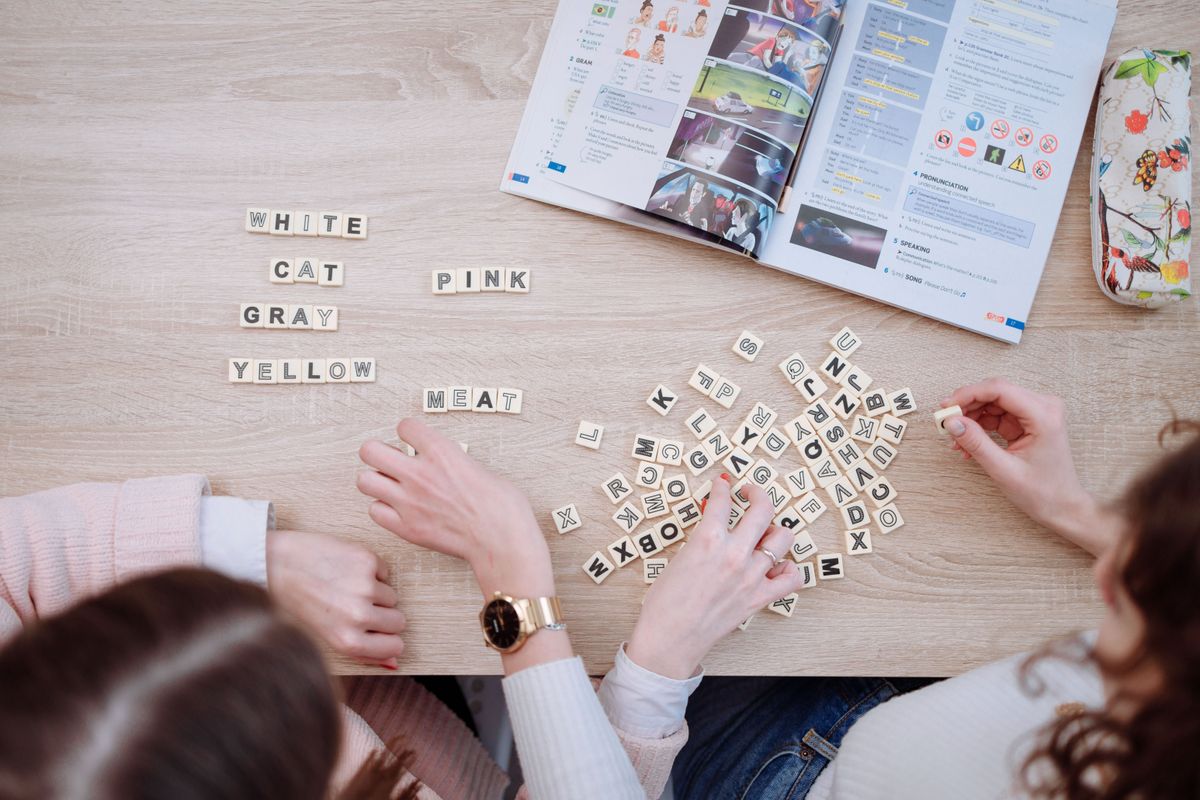
The 7 most effective methods for building Spanish vocabulary
The vocabulary sequencing problem: why most learners plateau
The most common reason Spanish learners plateau at intermediate level isn't that they stopped studying. It's that they're studying the wrong words in the wrong order.
Duolingo, Babbel, and most textbooks teach in thematic units — Colors, Animals, Food, Travel, Family. These feel logical because they match how we think about the world. But language doesn't organise itself by theme. It organises itself by frequency.
The word "but" (pero) appears more often in everyday Spanish than all animal names combined. "Because" (porque) appears more often than all color names combined. These high-frequency structural words are the scaffold that makes sentences comprehensible — and they're consistently deprioritised in thematic curricula.
The top 100 most frequent Spanish words cover ~50% of all spoken language. Learning them first doesn't just give you vocabulary — it gives you the structure to understand everything else from context.

How many words per day?
The research on vocabulary acquisition suggests 10–15 new words per day is the sustainable sweet spot for most adults. More than 20 words/day rapidly increases the review burden — within a month you're spending 45 minutes reviewing rather than learning. This leads to burnout.
At 10 new words/day:
- 1 month → 300 words
- 3 months → 900 words (~74% oral comprehension approaching)
- 5 months → 1,500 words (~80% oral comprehension)
- 10 months → 3,000 words (~90% oral comprehension)
These are not the numbers from a marketing page — they're the natural result of consistent daily practice at a sustainable rate.
The role of real input
Flashcard study builds recognition vocabulary — you know a word when you see it. Real input (Spanish shows, podcasts, readers) converts recognition into comprehension — you understand words at native speed in real sentences. Both are necessary.
The shift from pure flashcard study to mixed input typically happens around 500 words. At that point, you have enough vocabulary to extract meaningful input from slow podcasts or graded readers. Every word you encounter in real content gets reinforced — and new vocabulary begins acquiring naturally through context.
Start with frequency-ranked vocabulary in Anki. At 500 words, add comprehensible input (Coffee Break Spanish, Pobre Ana, Spanish subtitled shows). At 1,500, shift primarily to real content with Anki as maintenance. That's the complete vocabulary-building arc.
Frequently asked questions
What is the fastest way to build Spanish vocabulary?
Learn in frequency order using spaced repetition (Anki with a Spanish frequency deck). Study 15–20 minutes daily with 10–15 new words. Supplement with real Spanish content from ~500 words onward to reinforce vocabulary in context. This approach builds the highest-return vocabulary first and converts studied words into natural comprehension.
How many Spanish words should I learn per day?
10–15 new words per day is sustainable and produces strong long-term retention. More than 20 daily rapidly increases review burden and leads to burnout. Consistency beats volume — 10 words daily for a year outperforms 50 words daily for three weeks then stopping.
Is it better to learn Spanish vocabulary in context or from lists?
Both. Frequency-ranked lists give you efficient sequencing. Context converts passive recognition into active comprehension. Use lists with spaced repetition to build your core 1,500, then shift to real Spanish content to deepen and expand it. The two approaches are complementary, not competing.
How long does it take to learn 1,000 Spanish words?
With 15–20 minutes of daily spaced repetition and 10–15 new words per day, most adults reach 1,000 words in 3–4 months. Learning in frequency order means those 1,000 words give you ~74% coverage of everyday spoken Spanish — a real milestone.
What Spanish words should I learn first?
Start with the most frequent Spanish words — not themed vocabulary. The top 100 most frequent words (structural words: verbs like ser, estar, ir; connectors like y, pero, porque; prepositions like en, de, a) cover ~50% of all spoken Spanish. See the most common Spanish words list to start.