Quick answer
Yes — you can genuinely learn Spanish while driving. Audio-only methods like Pimsleur, Coffee Break Spanish, and Language Transfer are designed for exactly this. A 30-minute daily commute adds up to ~180 hours/year of listening input. Combine it with 15 minutes of vocabulary study at a desk and you have a complete learning routine.
Most language learning requires a screen, a desk, and focused attention. Your commute offers none of those. But audio input is the one learning medium that works safely in a car — and listening comprehension is a genuine, transferable language skill.
The question isn't whether you can learn Spanish while driving. You can. The question is what to listen to, and how to use it so it actually sticks.
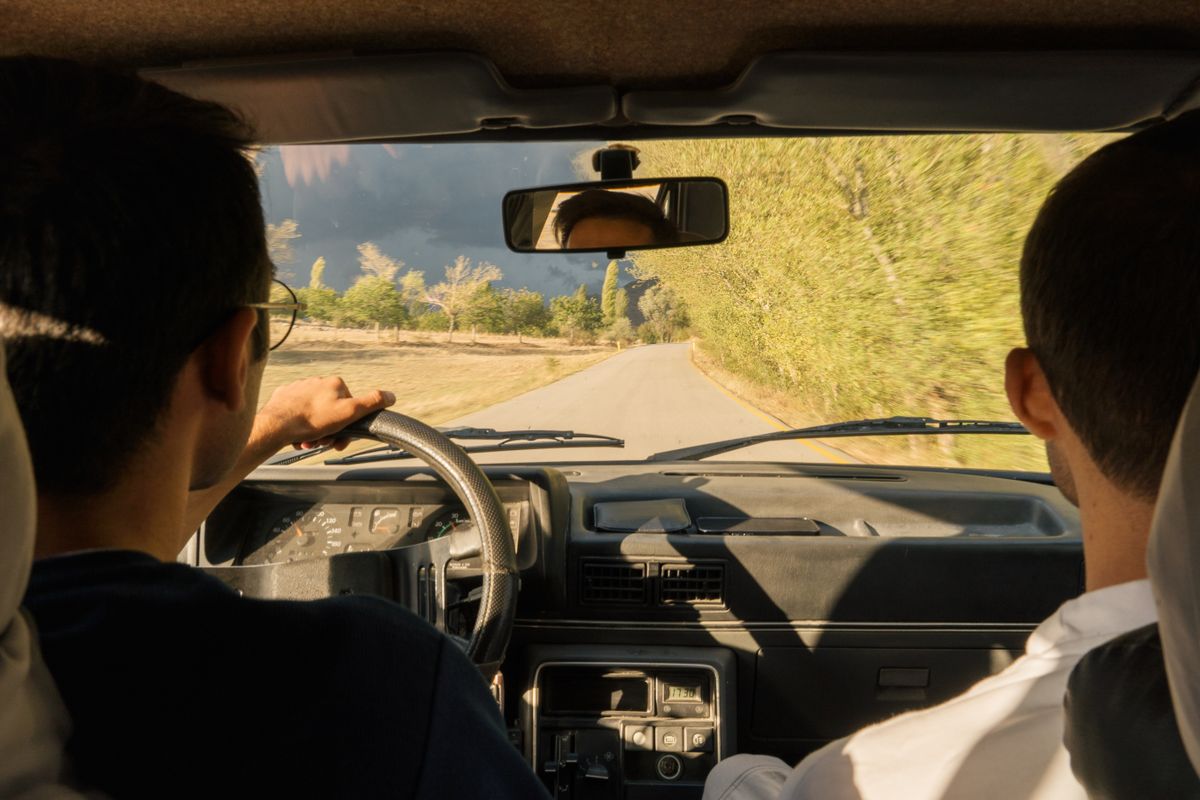
Does learning Spanish while driving actually work?
For listening comprehension: yes, meaningfully. The ear training benefits of daily Spanish audio exposure are well-documented. You learn to parse connected speech, recognise phoneme patterns, and process meaning in real time — skills that pure vocabulary study doesn't build.
For vocabulary acquisition: somewhat. Audio courses like Pimsleur use repetition and prompt-and-response to build retention without visuals. Research suggests audio-only vocabulary acquisition is less efficient than multimodal (audio + visual) learning, but it's far better than zero.
For speaking, reading, and writing: not at all. These require production and visual input that audio-only cannot provide.
The conclusion: driving is an excellent supplement that develops listening skills. It doesn't replace a desk-based study session — it adds hours of input that would otherwise be wasted.
What to listen to — by level
What doesn't work while driving
- Spanish music. Enjoyable, minimal learning value. Music is heavily compressed and repetitive language — it builds familiarity with sounds but not comprehension of meaning.
- Random Spanish radio. Too fast, too unfamiliar, too much noise at A1–B1 level. Authentic radio requires B2+ to extract meaningful input.
- Sleeping while Spanish plays. No credible evidence that passive audio during altered consciousness produces language retention. Sleep consolidates what you learned while awake — it doesn't load new material.
- App-based learning that requires visual attention. Duolingo, Anki, Babbel — these require a screen. Don't use them while driving.
How to make the most of your commute
A structured routine produces significantly better results than random audio:
- Pick one series and stick with it. Jumping between podcasts fragments your progress. Choose Coffee Break Spanish or Pimsleur and work through episodes in order.
- Repeat each episode until 80% is clear before moving on. Progression before comprehension is the most common commuter mistake. The next episode builds on the current one.
- Note unfamiliar phrases out loud. When you hear a phrase repeatedly and don't understand it, say it aloud. This activates phonological memory and improves retention.
- Pair with desk study. 15–20 minutes of Anki in the morning, then your commute audio. The Anki session primes vocabulary for recognition when you hear it in the car.
Frequently asked questions
Can you really learn Spanish while driving?
Yes — listening comprehension and ear training develop effectively through audio-only input. A 30-minute daily commute adds ~180 hours per year. Combined with vocabulary study, this meaningfully accelerates oral comprehension. You won't learn to read or write this way, but your listening will improve significantly.
What is the best audio Spanish course for driving?
Pimsleur is designed specifically for audio-only learning and is the best structured course for driving. Coffee Break Spanish is excellent for beginners wanting a podcast format. Language Transfer is the best free option. All three work without requiring visual attention.
Is listening to Spanish music a good way to learn while driving?
Spanish music builds ear familiarity and helps with pronunciation, but produces minimal vocabulary or grammar gains. It's better than silence, but far less effective than purpose-built Spanish learning audio.
How long will it take to learn Spanish through driving alone?
Driving alone won't get you to fluency — it only develops listening comprehension. Combined with 15–20 minutes of daily vocabulary study (Anki) and occasional speaking practice, a 30-minute daily commute can significantly accelerate your path to B1 in 6–12 months.